Creating a low-maintenance green space is an achievable goal that allows nature to thrive with minimal human intervention. By selecting the right plants, enhancing the soil’s quality, and fostering biodiversity, you can transform your garden into an ecological haven that requires little upkeep. This guide offers practical tips from landscaping experts to help you design a garden that flourishes autonomously, providing a sanctuary for wildlife while conserving your time and energy.

Creating a Low-Maintenance Green Space: Landscaping Tips
Why Aim for a Low-Maintenance Garden?
Creating a low-maintenance garden offers numerous benefits that cater to both the environment and our busy lifestyles. Such a garden allows for adaptive plants to thrive in harmonious ecosystems, enhancing not only beauty but also the local biodiversity. These green spaces can act as sanctuaries for wildlife, providing essential habitats while requiring minimal human intervention.
By converting your outdoor space into an ecological haven, you can optimize your time and energy while minimizing air pollution often associated with traditional gardening tools. Discover below, five expert landscaping tips that will help transform your garden into an eco-friendly paradise that’s almost self-sufficient.
Fostering Biodiversity in Your Garden
Cultivating a thriving ecosystem should be the utmost goal when designing a low-maintenance garden. Biodiversity plays a pivotal role in ensuring a self-sustaining environment. Here are strategies to promote rich biodiversity in your outdoor space:
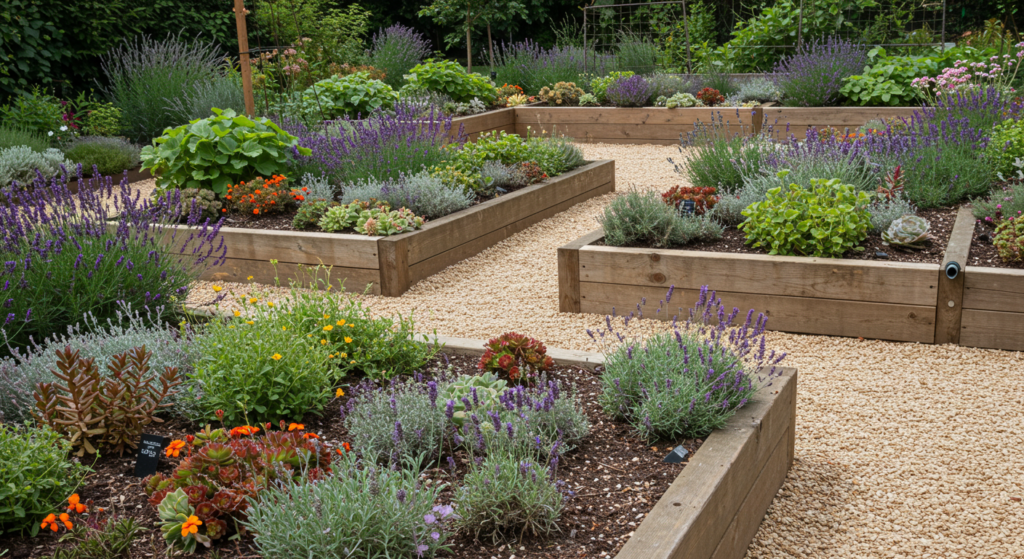
- Native Plant Selection: Incorporate indigenous trees, shrubs, and hedgerows that provide shade, habitat, and food for various animals.
- Water Features: Consider adding a pond or a small water fountain to attract amphibians, birds, and beneficial insects. Ensure the area is designed to prevent standing water, which can lead to bacteria growth.
- Pollinator-Friendly Plants: Plant a variety of nectar-rich plants that are known to attract essential pollinators like bees and butterflies.
- Untended Zones: Allow some areas to grow wild by leaving leaf litter, fallen branches, and tall grasses, which can serve as microhabitats for many forms of wildlife.
By effectively implementing these measures, your garden can flourish into an ecosystem that requires little upkeep.
Opt for Native Plants in Your Landscape Design
One of the best ways to ensure your garden is low-maintenance is by choosing native plants. These plants are genetically adapted to the environment, thriving with minimal water, less need for chemical treatments, and resistance to local pests. Stray away from exotic species, as they often consume more water and struggle to integrate into local ecosystems. Embracing local flora not only bolsters the natural landscape but reduces your workload, as they typically require less care.
Utilize Mulching for Moisture and Weed Control
Mulching your garden is a critical step in developing a low-maintenance landscape. By covering the soil with an organic layer, such as wood chips, leaves, or straw, you can retain moisture, suppress weeds, and enrich the soil over time. Here are some advantages of mulching:
- Reduces Water Needs: Mulch helps retain moisture in the soil, meaning less frequent watering.
- Minimizes Weeding: By blocking sunlight, mulch hinders the growth of weeds, reducing your need to constantly tend to them.
- Improves Soil Health: As mulch decomposes, it enriches the soil and encourages a rich underground ecosystem.
By integrating effective mulching practices into your garden care regime, you promote a lively, vibrant soil while minimizing maintenance efforts.
Consider a Wildflower Meadow: A Colorful Alternative
Transforming parts of your lawn into a wildflower meadow can replenish your garden’s aesthetics while requiring minimal upkeep. This vibrant patch of color is a favored haven for pollinators and adds variety with changing blooms throughout the seasons. A wildflower meadow generally requires only one or two mowings per year, significantly less compared to traditional grass lawns.
Incorporating Natural Pest Control: Chickens as Helpers
Introducing chickens into your garden can be both a delightful addition and an effective solution for managing pests naturally. Chickens are fantastic at controlling pests, such as slugs and beetles, while providing fresh eggs. They naturally till the soil, economy in pest management through their foraging behaviors. A well-placed chicken coop can significantly contribute to your eco-friendly garden.
Enlist the Help of Eco-Landscapers
An ideal solution to achieve your vision is to consult with eco-landscapers who specialize in creating unique, sustainable environments. By leveraging their expertise, you can ensure that your green space is designed in a way that promotes natural balance while keeping maintenance low. Through careful selection of plant species, water management, and soil health optimization, these professionals accommodate your needs, craft an ecosystem that blends seamlessly with the local environment, and thrives with little personal intervention.
The journey towards a vibrant, low-maintenance garden is achievable through the implementation of these landscaping techniques. While it may require upfront planning and effort, the long-term benefits of fostering a natural ecosystem while minimizing maintenance are worth the investment. For unique and reliable guidance in your garden transformation, consider consulting with a company that specializes in establishing eco-friendly gardens.
Creating a Maintenance-Free Green Space: Landscaping Tips
Creating a maintenance-free green space is an achievable dream for garden enthusiasts and those who desire a harmonious relationship with nature. By applying simple landscaping techniques, you can transform your garden into a thriving ecosystem that requires minimal human intervention. The key lies in selecting the right plants that are native to your region, thereby ensuring their natural adaptation to the local climate, soil, and potential pests.
Encouraging a rich biodiversity is essential for establishing a self-sustaining garden. Implementing measures such as planting indigenous shrubs, including water sources, and allowing for natural habitats can significantly contribute to the garden’s ecological balance. These practices can attract beneficial insects, birds, and wildlife, establishing a vibrant community that thrives without constant upkeep.
Moreover, employing organic mulching techniques can yield numerous benefits, helping to maintain soil moisture while suppressing weeds. This not only conserves water but also nourishes the underlying soil, promoting robust microbial life. By using materials like leaf litter, wood chips, or straw, you’re fostering a healthier ecosystem that supports plant growth with less reliance on fertilizers.
Additionally, incorporating native flower meadows or reducing lawn areas can further minimize the need for regular mowing and watering. These alternatives showcase seasonal beauty and can entice pollinators, contributing to the overall health of the environment.
Ultimately, the journey to creating a low-maintenance garden lies in embracing nature and choosing to let it flourish on its own terms. By implementing these landscaping tips, you can develop an enchanting space that not only enhances your outdoor living experience but also supports ecological harmony.