In the realm of construction, reinforced concrete structures play a pivotal role in creating robust and long-lasting buildings. The combination of concrete’s compressive strength and the tensile strength offered by steel reinforcements makes this material a preferred choice for various projects, including bridges, commercial buildings, and retaining walls. However, ensuring the durability of these structures requires a comprehensive understanding of their composition and implementation methodologies. This article aims to explore the essential factors and best practices necessary to maintain the integrity and lifespan of reinforced concrete constructions.

Understanding Reinforced Concrete Structures
Reinforced concrete is a composite material that combines the compressive strength of concrete with the tensile strength of steel reinforcement bars. This fusion of materials enables the construction of robust structures capable of enduring substantial loads and environmental stresses. However, ensuring the durability of these structures is critical to their longevity and effectiveness.
Key Factors Influencing Durability
Several factors come into play when considering the durability of reinforced concrete structures:
- Material Quality: The choice of concrete and steel quality significantly affects the lifespan of the structure.
- Environmental Conditions: Factors such as exposure to moisture, freeze-thaw cycles, and chemical attacks must be evaluated during design and construction.
- Design Techniques: Proper structural design that accounts for potential loads and stress points will enhance the overall durability.
- Construction Practices: Adhering to best practices during construction is crucial in ensuring the integrity of the material.
Choosing the Right Materials
The composition of the concrete mix plays a pivotal role in defining a structure’s durability. Key components include:
- Cement: The binding agent that holds the mixture together needs to be of high quality to ensure strength.
- Aggregates: Sand and gravel contribute to concrete’s robustness, but their size and quality should be appropriately selected.
- Water: The water-to-cement ratio greatly influences the concrete’s strength; thus, it should be balanced to avoid brittleness.
- Additives: Incorporating specific additives can enhance resistance to environmental factors, improve workability, and speed up curing times.
The Importance of Proper Mixing
Mixing the concrete correctly is fundamental for achieving the desired strength and durability. Factors such as:
- Batch Size: Ensure consistent mixing by adhering to the correct proportions.
- Vibration Techniques: Employing vibrations helps eliminate air pockets, ensuring maximum compaction and adherence.
Structural Design Principles
Before construction starts, engineers must analyze the potential load the structure will support. This analysis includes:
- Dead Loads: The weight of the structure itself.
- Live Loads: The weight of occupants, furniture, and equipment.
- Environmental Loads: Effects from wind, earthquakes, and snow need careful consideration.
Implementing these calculations ensures that structures can withstand expected stresses over time.
Adhering to Construction Standards
Following industry standards, such as the Eurocodes, is non-negotiable. These guidelines specify the minimum requirements for construction, ensuring:
Safety: Compliance minimizes risks during extreme conditions.
Quality Assurance: Consistent application leads to reliable results and performance durability.
Protecting Steel Reinforcement
The steel reinforcement embedded in the concrete is vulnerable to corrosion, especially in harsh environments. To mitigate corrosion risks:
- Use Corrosion-Resistant Materials: Stainless steel or specially coated reinforcement bars can help prevent rust.
- Proper Covering: Ensuring adequate concrete cover will protect the steel from moisture and chemicals.
- Regular Maintenance: Conducting periodic inspections and repairs will extend the life of the structure.
Best Practices during Construction
Implementing the following practices during construction can enhance durability:
- Site Preparation: Proper ground leveling and compaction set the foundation for all subsequent work.
- Quality Coffering: Ensure that molds used during pouring maintain shape until the concrete has fully cured.
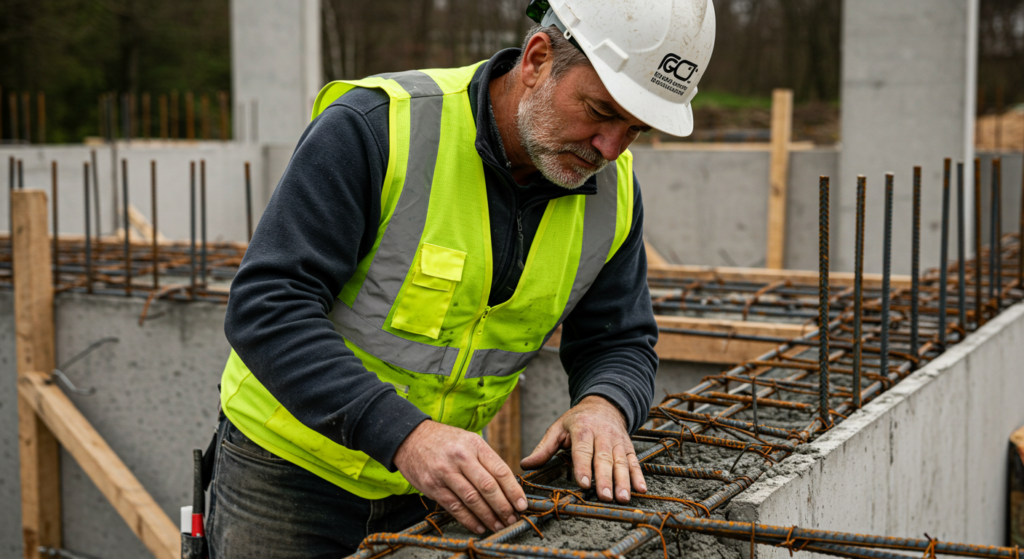
- Armature Placement: Ensuring that reinforcement bars are correctly positioned is critical to prevent failure.
Continuous Maintenance for Longevity
To keep reinforced concrete structures in optimal condition, establish a routine maintenance schedule that includes:
- Regular condition assessments for cracks and other potential signs of wear.
- Timely repairs to prevent minor issues from escalating into significant problems.
- Preventive measures against water ingress and chemical exposure.
By adhering to these guidelines and practices, it is possible to promote the durability and safety of reinforced concrete structures, ensuring they stand the test of time.
For more insights and assistance on construction projects, consider reaching out to XXX, whose expertise aligns with your reinforced concrete needs.
Ensuring the Durability of Reinforced Concrete Structures
When it comes to constructing reinforced concrete structures, ensuring their durability is paramount. The unique composition of reinforced concrete, combining the compressive strength of concrete with the tensile strength of steel reinforcements, makes it an ideal material for various construction projects. However, to maximize the lifespan and structural integrity of these constructions, several key factors must be considered throughout the design, execution, and maintenance phases.
Firstly, material selection plays a crucial role in durability. Using high-quality cement, aggregates, and reinforcements that resist corrosion and weather-related deterioration is essential. Properly designed mixes that account for environmental conditions—such as humidity, temperature fluctuations, and exposure to chemicals—will significantly enhance the performance of the concrete. Furthermore, these materials should adhere to recognized standards, ensuring they meet or exceed the minimum requirements for structural applications.
Secondly, the placement and curing techniques applied during construction can have lasting effects on the strength and durability of the structure. Ensuring that the concrete is properly compacted, cured, and protected during the curing phase minimizes the risk of cracking and weakening over time. Employing practices such as vibration during pouring and covering the concrete to maintain moisture can lead to a more robust end product.
Lastly, ongoing maintenance cannot be overlooked. Regular inspections for signs of wear, cracks, or corrosion can provide early detection of any potential issues. Implementing timely repairs, such as sealing cracks and applying protective coatings, can extend the life of the structure significantly. By establishing a routine maintenance schedule, stakeholders will not only safeguard their investments but also ensure the safety and reliability of the built environment.
In conclusion, reinforcing the resilience of concrete structures requires a multi-faceted approach that encompasses material choice, meticulous construction practices, and proactive maintenance strategies. By adhering to these principles, professionals can ensure that their reinforced concrete structures stand the test of time, delivering both safety and performance for generations to come.