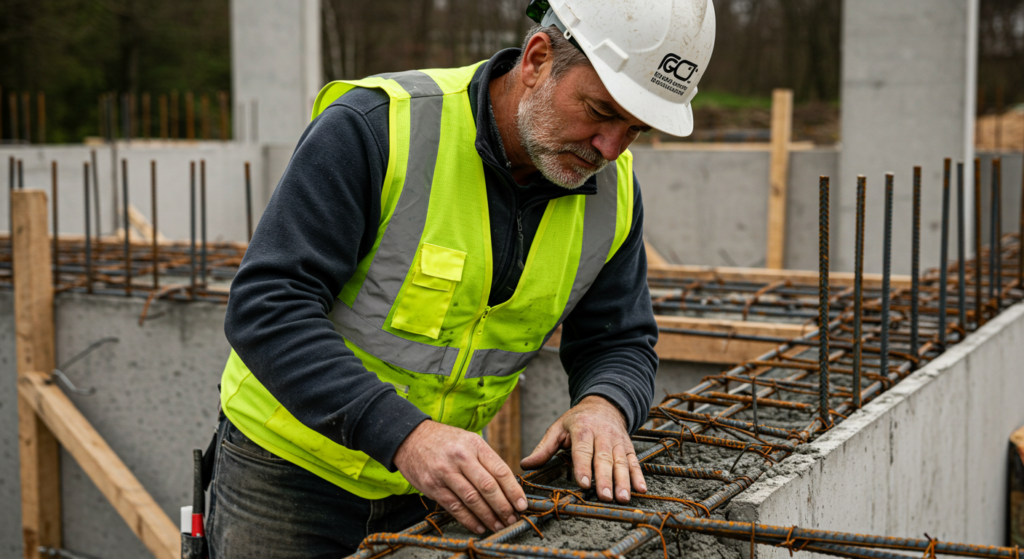
In the field of masonry, ensuring durability and strength in your structures is essential. One of the most common challenges faced by builders and homeowners alike is the occurrence of cracks, which can compromise both the aesthetics and integrity of a building. Understanding how to prevent these lasting fissures is crucial for maintaining the longevity and safety of your projects. By recognizing the factors that contribute to crack formation and implementing best practices, you can safeguard your masonry work from potential damage.

In masonry work, even the smallest detail can play a crucial role in ensuring the integrity and longevity of your structures. Among the most common issues encountered are cracks, which can jeopardize both aesthetics and safety. Let’s dive deeply into this topic, exploring effective strategies to prevent these unwelcoming flaws from taking root in your masonry projects.
Understanding Cracks in Masonry
Cracks can manifest in various forms, each suggesting different underlying problems. Recognizing these types can inform better preventive measures.
- Vertical Cracks: Generally occur at wall joints or near doors and windows, often due to normal settling.
- Horizontal Cracks: These are serious indicators and usually emerge on foundation walls, hinting at excessive external pressure.
- Stair-Step Cracks: These follow the mortar lines in brick or block walls and are indicative of shifting foundations or drainage issues.
Best Practices for Masonry Work
1. Preparing the Support Surface
The foundation upon which your masonry rests is vital. A poorly prepared support can lead to cracks and uneven structures. Here are essential steps to ensure a solid base:
- Clean the Surface: Remove any debris or substances that could impede the adherence of the mortar.
- Moisten the Surface: For extremely dry surfaces, a light moistening can enhance mortar adhesion.
- Check Levelness: Use a level to ensure everything is even and correctly aligned.
2. Choosing the Right Mortar
The selection of the appropriate mortar is paramount; using an unsuitable mix can result in serious setbacks. Consider the following:
- Match Mortar to Materials: Opt for lime-based mortar when working with bricks, and a cement-rich mix for concrete structures.
- Account for Weather Conditions: High temperatures can dry mortar too quickly, drastically reducing its effectiveness.
- Avoid Weak Mixes: Insufficiently strong mortar may not hold components together, escalating the risk of cracking.
3. Ensuring Proper Alignment
Another crucial aspect of masonry work is maintaining the alignment of walls and structures. Skipping this step can lead to unsightly results. Here’s how to stay aligned:
- Utilize Tools: A mason’s level and chalk line can help ensure every element is properly positioned.
- Regular Checks: Frequently monitor alignment through each phase of work to catch any issues early.
- Immediate Corrections: If something is misaligned, address it without delay before it worsens.
4. Incorporate Expansion Joints
Ignoring the importance of expansion joints can lead to disastrous crack formations due to temperature fluctuations. Here’s how to implement them effectively:
- Install at Regular Intervals: In long structures, joints allow for expansion and contraction without causing damage.
- Size Appropriately: Based on materials and climate conditions, ensure joints are correctly sized to handle potential movements.
- Regular Inspections: Keep an eye on these joints to watch for wear and tear.
5. Utilizing Quality Materials
Investing in top-notch materials for your masonry is not a luxury, but a necessity:
- Use Dry Wood for Forms: Wet or poorly dried wood can warp and compromise the shape of poured concrete.
- Secure Forms Properly: A well-secured formwork will maintain the desired structure while pouring.
- Check for Seal Around Forms: Ensuring watertight forms prevents concrete leaks during pouring.
6. Weather Considerations
Adverse weather conditions can significantly affect masonry work. Here’s what you can do to mitigate their impact:
- Create Shelter: Protect your work area from rain and excessive sun exposure.
- Choose the Right Time: Consider working during cooler parts of the day during summer.
- Use Additives: During cold weather, utilize additives that prevent mortar from freezing.
By adhering to these guidelines, you can greatly enhance the durability of your masonry projects, minimizing the chances of cracks appearing. Remember, a well-planned approach not only preserves your work but ultimately saves money in repairs down the line.
For comprehensive support in your masonry projects, consider consulting with experts from XXX, who can offer specialized services to help you tackle any masonry-related challenges.
Conclusion on Masonry Work: How to Avoid Lasting Cracks?
In the realm of masonry, preventing lasting cracks is crucial for maintaining the integrity and value of structures. By focusing on meticulous preparation of the support, one can lay a solid foundation that combats the onset of fissures. Ensuring that surfaces are clean, stable, and adequately moistened plays a significant role in achieving a strong bond with the chosen mortar.
The choice of mortar itself is another pivotal factor. Selecting appropriate materials that match the specific environmental conditions not only enhances performance but also safeguards the structure against external stresses. Acknowledging the effects of temperature and moisture variability ensures that the masonry withstands the test of time, minimizing the possibility of lasting damage.
Moreover, maintaining proper alignment throughout the construction process cannot be overstated. Regular checks with tools such as a level and string line will help confirm that every element is in its rightful place, thereby avoiding the aesthetic and structural pitfalls that misalignment can cause. Integrating expansion joints is essential to accommodate material movements resulting from thermal changes, drastically reducing the risks of cracks.
Weather conditions, too, should not be overlooked. Awareness of how rains, extreme heat, or cold can affect the construction process allows professionals to adapt their methods accordingly. Additionally, investing in high-quality materials, such as dry wood for formwork and durable aggregates, can significantly enhance the structural robustness.
Finally, by embracing a proactive approach—encompassing thorough inspections, timely repairs, and seeking professional advice when needed—one can significantly lower the likelihood of developing persistent cracks, thus ensuring that any masonry work remains strong, aesthetically pleasing, and structurally sound for years to come.