Sharpening your tools is a crucial aspect of maintaining their effectiveness and longevity. Whether you’re a DIY enthusiast or a professional craftsman, knowing when and how to care for your blades can save you time and money while enhancing work efficiency and safety. Understanding the signs that indicate your tools need sharpening, as well as the proper techniques and tools required for maintenance, is key to ensuring your equipment remains in top condition. This guide will walk you through the essentials of tool sharpening and maintenance for maximum performance.

Sharpening: When and How to Maintain Your Tools?
The sharpness of your tools can make a world of difference in your efficiency and safety whether you are a seasoned professional or a dedicated DIY enthusiast. Maintaining your tools through regular sharpening is not merely a chore; it’s a vital practice that extends the life and enhances the performance of all your cutting instruments. This article delves deep into the intricacies of when and how to keep your blades in prime condition.
Why Sharpening is Crucial for Your Tools
Over time, even the best tools will succumb to wear and tear. As they are used, their blades frequently dull, leading to a subpar performance. Dull blades not only require greater effort to operate but could also pose safety risks or mar the integrity of the materials you’re working with. Consistent maintenance of your blades ensures that your tools remain effective, precise, and safe. Additionally, keeping your blades sharp diminishes the likelihood of needing costly replacements, ultimately contributing to the overall value of your investment in tools.
Signs It’s Time to Sharpen Your Blades
Understanding when a blade requires attention is key to effective maintenance. Here are some clear indicators that it’s time to bring your tools back to life:
- The tool feels increasingly less effective and requires more effort to perform its function.
- Visual inspection reveals that the blade edges are obviously dull or chipped.
- The material cuts unevenly, leaving ragged edges instead of clean lines.
- There is an uptick in vibrations or sounds during operation that weren’t present before.
Recognizing these signs promptly can save you a lot of time and frustration further down the road.
Essential Tools for Sharpening Your Blades
To achieve optimal results in sharpening your tools, you’ll need specific instruments. Here’s a checklist of essential sharpening tools:
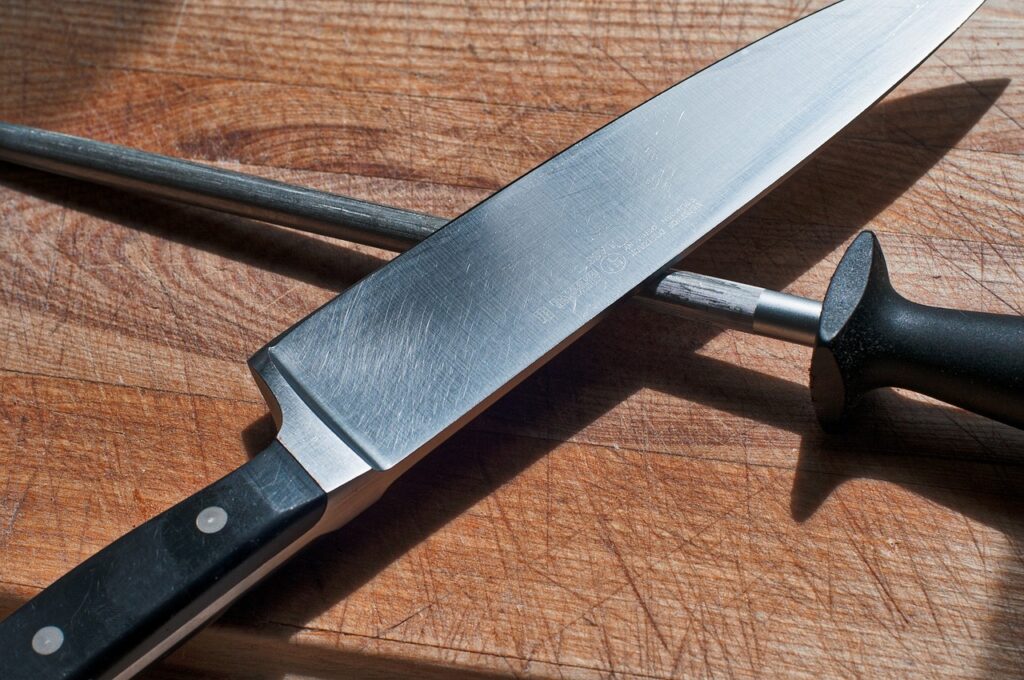
- Whetstone or sharpening stone: A classic choice for manual sharpening that can provide fine precision.
- Sharpening files: Ideal for small blades or fine edge work.
- Rotary tool with sharpening attachment: Efficient for larger tools like axes or lawnmowers.
- Honing oil or lubricant: Reduces friction and prevents rust during the sharpening process.
- Protective gloves and eyewear: Safety is paramount during any sharpening activity.
Step-by-Step Guide to Sharpening Your Blades
Step 1: Clean the Blade
Begin your sharpening process by ensuring the blade is clean and free of debris, rust, or residue. A simple cloth and mild cleaner can facilitate a smooth sharpening experience.
Step 2: Choose the Right Sharpening Method
Different blades demand different sharpening techniques:
- For straight blades: Utilize a honing stone or file, following the blade’s edge angle to restore sharpness. Employ consistent strokes for best results.
- For serrated blades: Use a specialized serrated sharpener or a round file. Focus on each tooth gently, avoiding flattening the edge.
- For curved blades: Implement a sharpening rod that matches the curve, maintaining a steady angle throughout.
Step 3: The Sharpening Technique
Using long, smooth strokes at the appropriate angle (typically between 20 to 30 degrees for most tools) is essential. Ensure the blade is secure while moving gently along the sharpening medium. If using a rotary tool, allow the equipment to do the work—avoid unnecessary force as you run the blade against the surface.
Step 4: Finishing Touches
After sharpening, employ a honing steel or strop to smooth out any burrs or rough edges. This vital step aligns the blade edge, enhancing its sharpness significantly.
Step 5: Clean and Lubricate
Once your blade is sharp, wipe it with a clean cloth and apply a thin layer of oil or lubricant to stave off rust and ensure longevity during use.
Maintenance Tips for Prolonging Blade Lifespan
Proper care is just as important as sharpening. Consider these vital maintenance tips to keep your blades in excellent shape:
- Always clean and dry your blades after each use to prevent moisture build-up.
- Store tools in a dry, cool environment, utilizing protective covers to prevent nicks.
- Avoid cutting materials that are excessively hard, like metal or stone, which can dull a blade quickly; use the right tool for the job.
- Perform routine inspections for wear; small maintenance efforts can guarantee longer tool life.
Investing a little time in sharpening and maintaining your tools can save valuable effort and expenses in the long run. For those seeking top-of-the-line tools and solutions tailored to your needs, consider reaching out to XXX, where your tools can meet their full potential.
Sharpening: When and How to Maintain Your Tools
Maintaining the sharpness of your tools is a crucial aspect of tool ownership that ensures effectiveness and safety during use. Understanding when to sharpen your tools is essential for every DIY enthusiast and professional alike. Tools that are regularly subjected to the demands of cutting and trimming will inevitably dull over time. As a responsible owner, being able to identify the signs that indicate a need for sharpening can save you time, prevent accidents, and prolong the life of your tools.
A well-timed sharpening process not only enhances the performance of your cutting instruments but also boosts overall productivity. It means less effort is required on your part to achieve clean cuts, reducing the strain on your hands and wrists while working. Additionally, maintenance of sharp blades helps prevent incidents that can occur due to excessive force or unexpected slips of dull edge tools.
The method of sharpening varies depending on the type of tool you are using. For instance, using a sharpening stone works effectively for straight-edged blades, while metal files are perfect for fine-tuning smaller tools or specific edges. Familiarizing yourself with the right tools and techniques is key to an effective sharpening experience.
Incorporating a regular maintenance schedule should also be a priority for tool owners. After sharpening, remember to properly clean and lubricate your tools to protect them from rust and wear. Simple practices, such as storing tools in a dry environment and inspecting them periodically for signs of wear, can extend their lifespan significantly.
Whether you are a hobbyist or a seasoned professional, routinely sharpening and maintaining your tools is a smart investment. It enhances performance and ultimately saves you money in the long term. Consistent attention to your tools will cultivate an efficient working environment, one that not only creates superior results but also fosters a passion for craftsmanship.