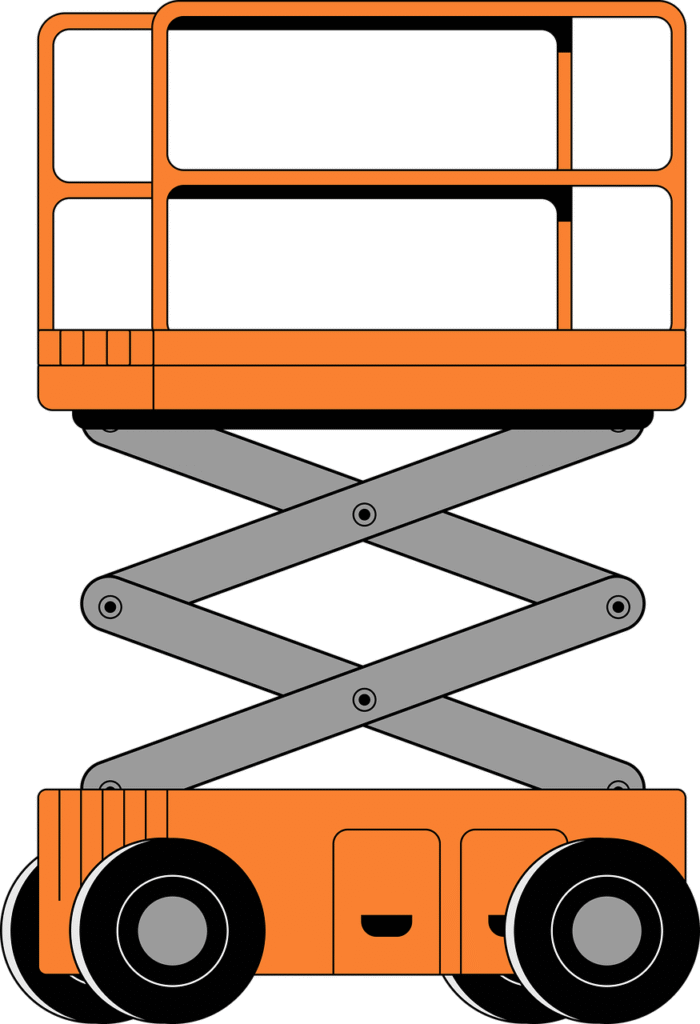
Pour garantir la sécurité et l’efficacité des opérations, la réparation de matériel de levage exige une expertise pointue. Un professionnel s’assure toujours de vérifier plusieurs aspects essentiels avant de procéder aux réparations. Qu’il s’agisse des pannes électriques, des défaillances hydrauliques ou des dysfonctionnements mécaniques, chaque détail compte pour restaurer les équipements à leur pleine performance. Une attention minutieuse aux signes de problèmes tels que les bruits anormaux, les fuites ou les vibrations excessives est cruciale pour offrir un service fiable et conforme aux normes de sécurité en vigueur.
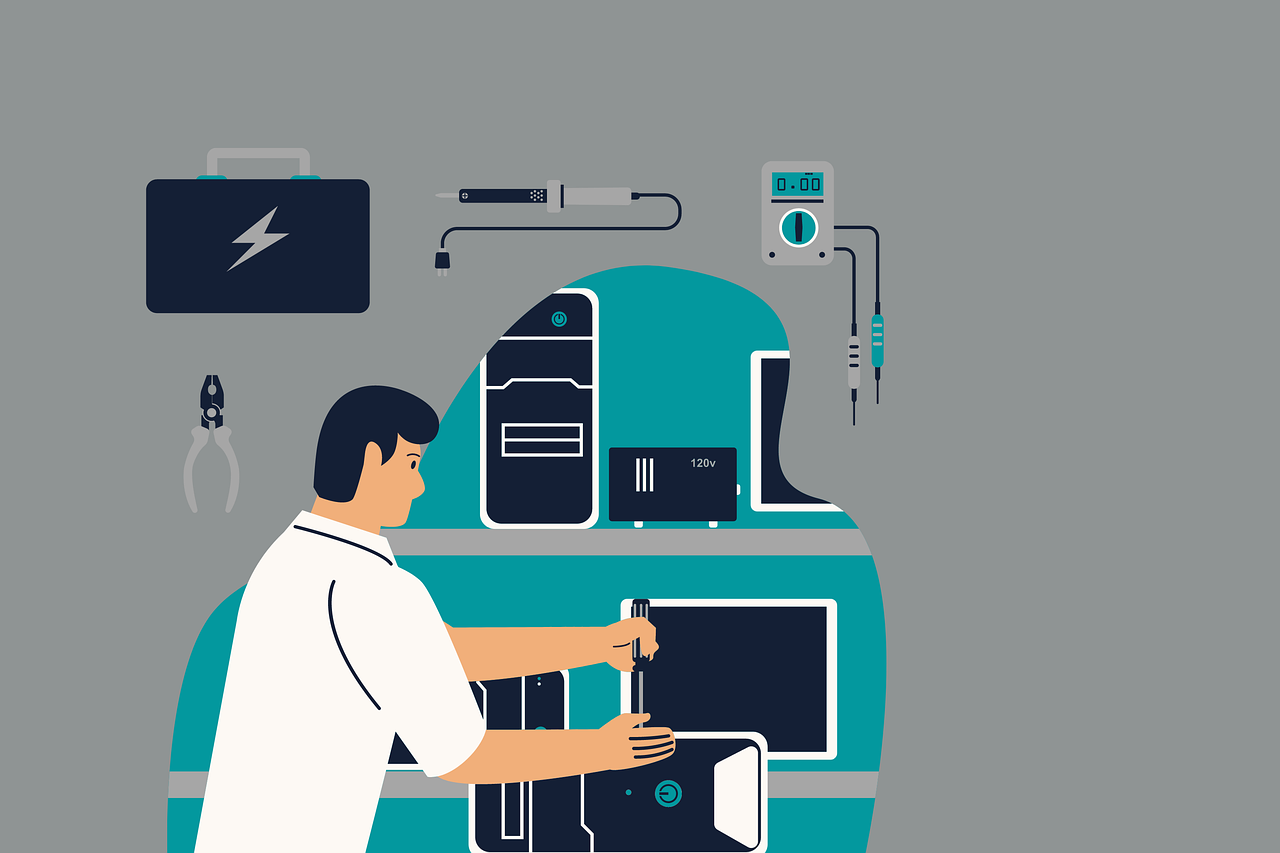
Repairing Lifting Equipment: What a Professional Always Checks
When it comes to lifting equipment, its reliability is critical for operational efficiency and safety. Whether it’s a hydraulic system, electrical circuit, or mechanical components, ensuring that all parts are functioning optimally is paramount. Here’s a thorough look at what a professional examines and repairs during the maintenance of lifting machinery.
The Essentials of Lifting Equipment Inspection
During inspections, a technician will typically engage in a comprehensive process that includes several key areas:
- Electrical Systems
- Hydraulic Components
- Mechanical Elements
- Safety Features
Electrical Systems: A Critical Component
Electrical failures can lead to significant downtime and safety hazards. Professionals always begin their evaluation with the electrical system by:
- Inspecting Wiring: Checking for any wear, fraying, or corrosion that could compromise performance.
- Testing Connections: Ensuring that all connections are tight and secure to avoid poor conductivity.
- Evaluating Control Units: Inspecting operational inputs, switches, and signaling devices for correct functionality.
Hydraulic Components: Checking for Integrity
Hydraulic systems rely heavily on fluid pressure and integrity. A technician will closely examine the following:
- Hydraulic Hoses and Connections: Identifying any signs of leaks, cracking, or excessive wear.
- Fluid Levels and Quality: Ensuring the hydraulic fluid is at appropriate levels and free from contaminants.
- Actuators and Cylinders: Assessing for smooth operation and any signs of malfunction.
Mechanical Elements: Attention to Detail
Mechanical reliability is essential for lifting equipment. A professional will check:
- Ballasts and Counterweights: Verifying their positioning to ensure stability during operation.
- Chains and Cables: Examining for any signs of wear, damage, or rust that would impair function.
- Bearings and Gearboxes: Testing for proper lubrication and functionality to prevent excessive friction and wear.
Safety Features: The Last Line of Defense
No equipment should go into operation without stringent safety feature checks. An experienced technician always confirms:
- Emergency Stops: Testing that emergency stop controls are functional and accessible.
- Load Indicators: Verifying that load weight sensors and indicators are accurate and functioning.
- Safety Lock Mechanisms: Ensuring that locking mechanisms engage properly to prevent accidental drops or collapses.
The Repair Process: Precision at Every Step
The journey of repairing lifting equipment is not just about fixing visible problems; it encompasses a holistic approach. After identifying issues, professionals dive into a series of meticulous steps:
- Assessment: Completing a thorough inspection to develop a detailed plan of action.
- Precision Repairs: Utilizing advanced techniques, like soldering and welding, to restore components accurately.
- Testing and Quality Control: Conducting rigorous tests post-repair to validate the equipment’s performance and adherence to safety standards.
Why Regular Maintenance Is Essential
Regular inspections and maintenance are vital for the longevity of equipment. They prevent severe accidents, enhance operational efficiency, and save on costly repairs in the long run. By addressing small issues before they escalate into major problems, you ensure the smooth operation of your lifting machinery.
In summary, repairing lifting equipment requires a skilled professional who verifies every critical aspect of the machinery. From electrical systems to safety features, each detail plays a crucial role in maintaining optimal performance and safety standards. If you require expert maintenance and repair services for your lifting equipment, consider reaching out to XXX for assistance.
Repairing Lifting Equipment: What a Professional Always Checks
When it comes to repairing lifting equipment, professionals adhere to a strict set of guidelines to ensure safety and functionality. At the core of their operations lies a comprehensive assessment of the equipment. This begins with an in-depth inspection of all mechanical components to identify any signs of wear or damage. A professional understands that mechanical failures can lead to serious accidents, hence they meticulously check each part from gears, cables, to the lifting mechanism itself.
Another critical area of focus is the electrical systems of the equipment. Fluctuating voltages or outdated wiring can pose serious risks. Experts will assess the wiring, connections, and power supplies to ensure that everything is functioning within specified parameters. Electrical malfunctions can compromise performance, making it essential for technicians to perform detailed evaluations and make necessary replacements.
In addition to mechanical and electrical checks, the hydraulic systems play a pivotal role in lifting equipment. Professionals will analyze the hydraulic fluids for leaks, check seals, and ensure that all hydraulic components are functioning correctly. This prevents unexpected failures during operation, which could lead to catastrophic outcomes.
After all visual and functional assessments, a critical step is to run a series of diagnostic tests. These tests help to confirm that repairs have restored the lifting equipment to its optimal condition. Only after passing these tests will the equipment be deemed safe and reliable for use. Regular maintenance checks are also recommended to prolong the lifespan and enhance performance.